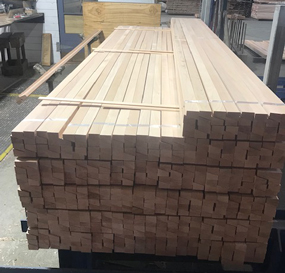
Each piece must be capable of yielding Dressing A cuttings which are not less than 450mm long, up to 2.1m long, averaging 1.5m clear cutting.
Clearwood recovery of 75 - 80% of the total length of the board is achievable.
Length Specification: 900mm to 4.8m.
RUSTIC FEATURE GRADES – ENVIRONMENTAL CHOICE
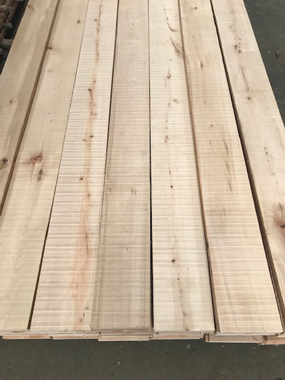
Every Southland Maple tree contains and yields a percentage of natural features such as knots, bark streaks, curly grain and some colour variation within the log. These features reflect the life of the tree as it contends with mother nature to combat natural events such as wind and snow stress, droughts, age and competition between individual trees for light and space to grow to maturity.
Specifying and selecting a range of rustic feature grades that utilises the ‘whole of tree’ and mimics a recycled timber appearance, is a sound environmental choice which ultimately means less trees harvested for the same output of quality appearance grade timber.
Rustic feature grades provide a multitude of uses at competitive price points for furniture manufacturing, flooring, wall and ceiling panelling, giftware and toy products.
RUSTIC SELECT APPEARANCE GRADE SPECIFICATION
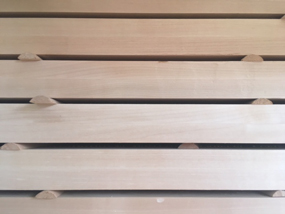
RSA contains natural features with sound smaller tight knots, bark streak, attractive curly grain and other characteristics of good appearance. Colour can vary within this grade between maple straw tonings to an attractive pink red colour. Finished product such as flooring and wall panelling can be colour sorted and selected to suit the contemporary or rustic design of your project. An extensive range of T&G sizes and profiles follows.
WHOLE OF TREE GRADE SPECIFICATION.
Quite simply a mix or combination of the grades detailed above that naturally arise from a tree. For example your choice may be an equal mix of high quality Dressing A grade combined with the Rustic Select Appearance or any percentage of these grades that suits your application. The various grades and colours can be separated in the production process so that you may choose to use the Dressing A grade in a highly visual eye level application and the RSA grade in areas such as cathedral ceilings. The environmental choice is yours with the benefit of a competitive price point.
LAMINATED BEAMS & JOINERY PRODUCTS.
Another real environmental benefit which utilises smaller sizes of timber naturally arising from the tree, that are glued and laminated into larger beams and door and window joinery. This process provides the option to achieve larger sizes of native Beech timber that are generally scarce in supply. Laminated product is very straight and stable and ideal for feature beams and interior joinery application.